

I’ve been in the residential painting business for over 25 years, and I can tell you this with confidence: pricing a paint job has never been more challenging than it is right now. Between rising material costs, fuel, labor, and the pressure to stay competitive, there’s a lot happening behind the scenes that most homeowners never see. And honestly, most contractors don’t fully understand either.
I wanted to answer these questions openly and without fluff, because if you’re planning a painting project in 2026, you deserve straight answers. My goal here isn’t to scare you or sell you anything. It’s to help you go into your project with your eyes wide open and realistic expectations about cost, quality, and what actually makes a paint job successful.

Higher Material Costs in 2025
Unfortunately for us, we’ve had to accept a lower profit margin in 2025 partly because our material costs have gone up an average of 6.21% compared to 2024. The increase in costs continues to reinforce the need for constant monitoring of costs and our teams’ efficiency and performance.
Our Biggest Challenge: Staying Competitive While Everything is Getting More Expensive
What is our biggest challenge when it comes to inflation, materials, fuel or labor? The quick answer is: staying competitive with pricing even though everything is going up in cost, while still making enough profit to support the business.
We know our numbers well, but unfortunately in the residential painting industry, many don’t. It is not common to know things like break-even points, and exactly how much something will cost to produce before a job starts.
For this reason, many painting companies don’t know how to price a job so their team has enough time and materials to run a profitable project and keep clients happy. Often someone is compromising. Either the consumer receives a rushed job or the company barely makes enough profit to keep the doors open.
We really need to raise our prices again, but we’re at a point where doing so may price us out of the market. It’s very much a “rock and a hard place” scenario.
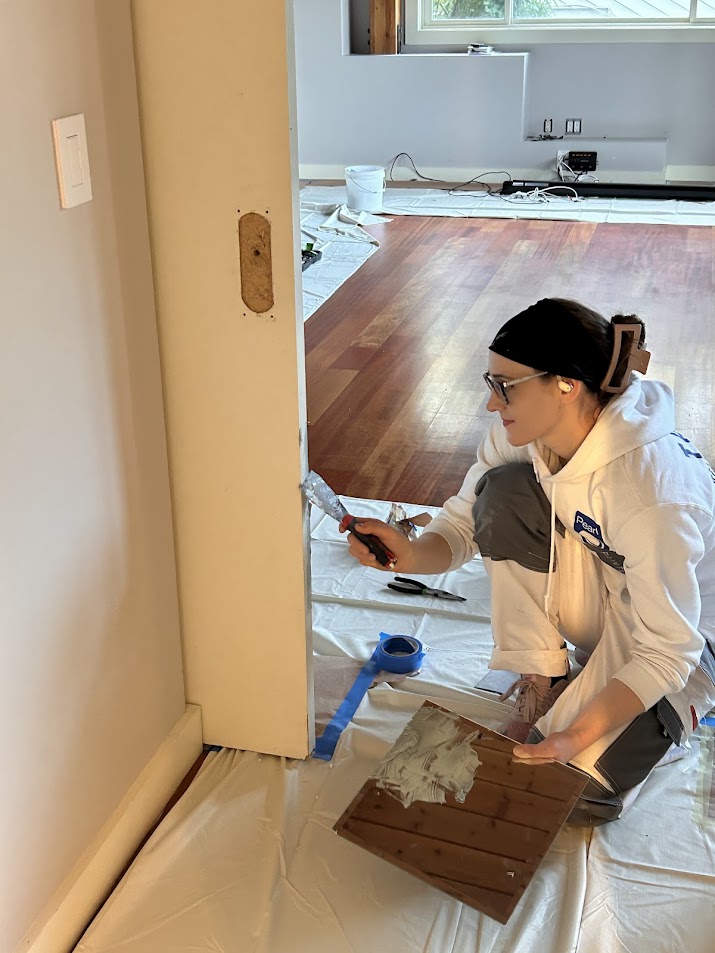
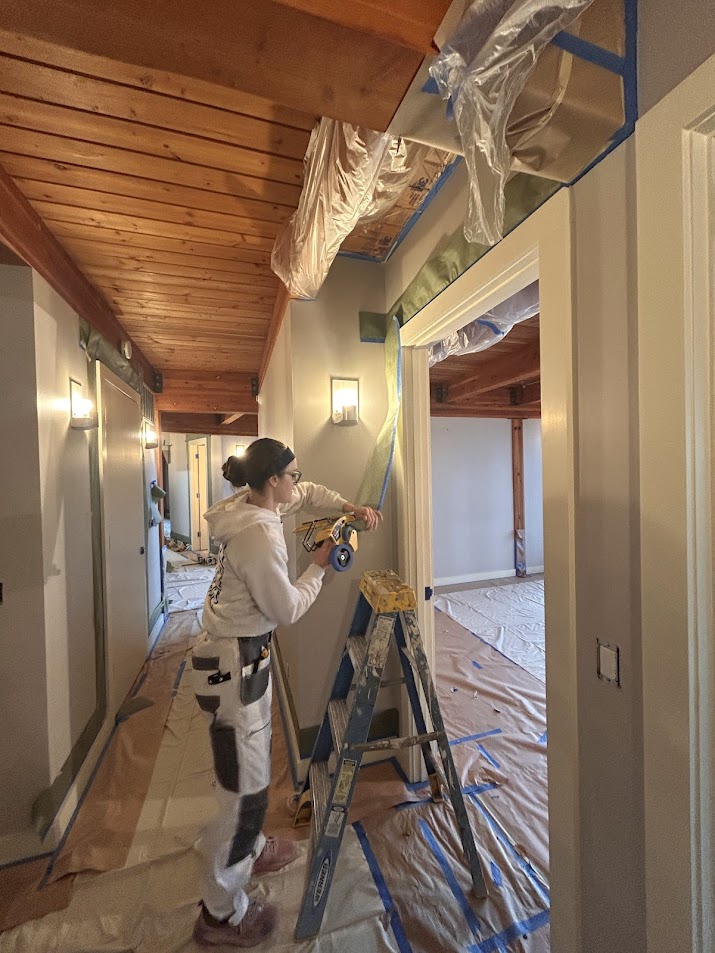
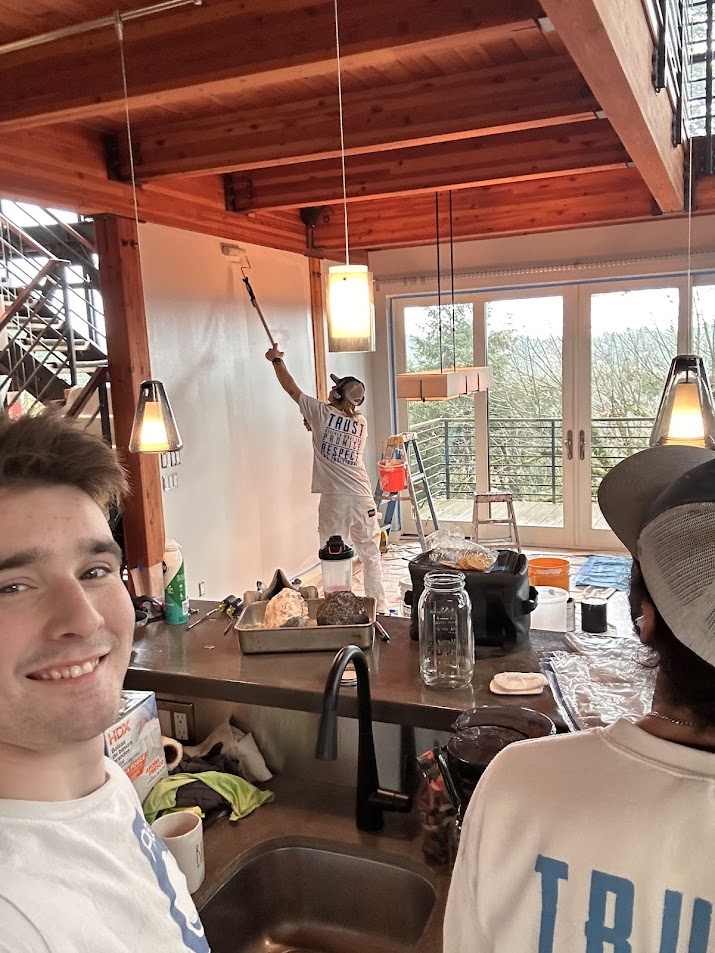
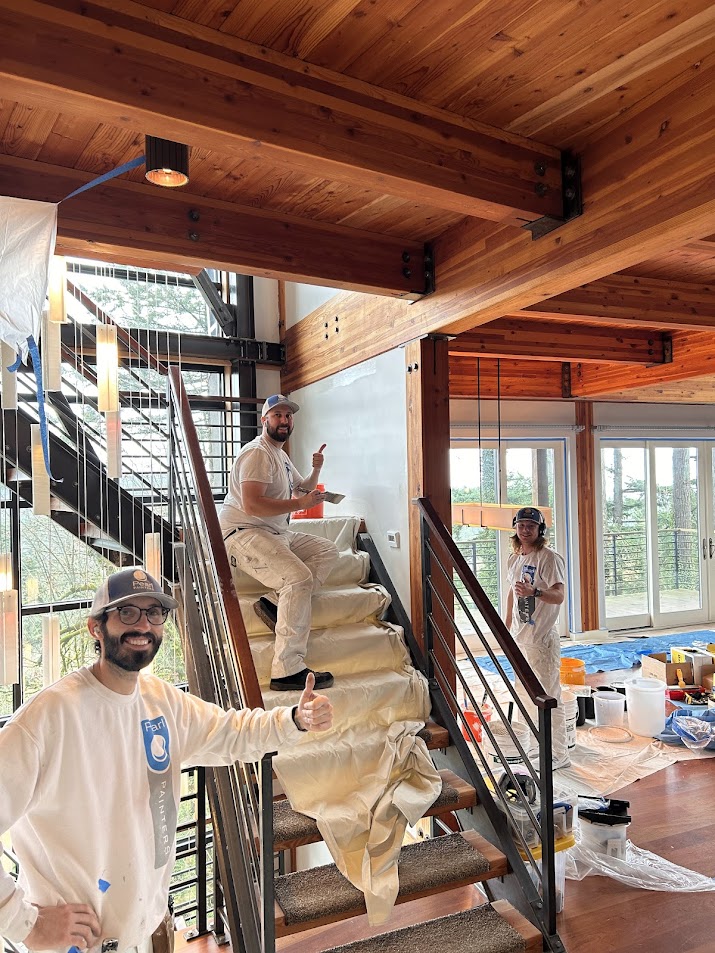

Homeowners are Making Adjustments
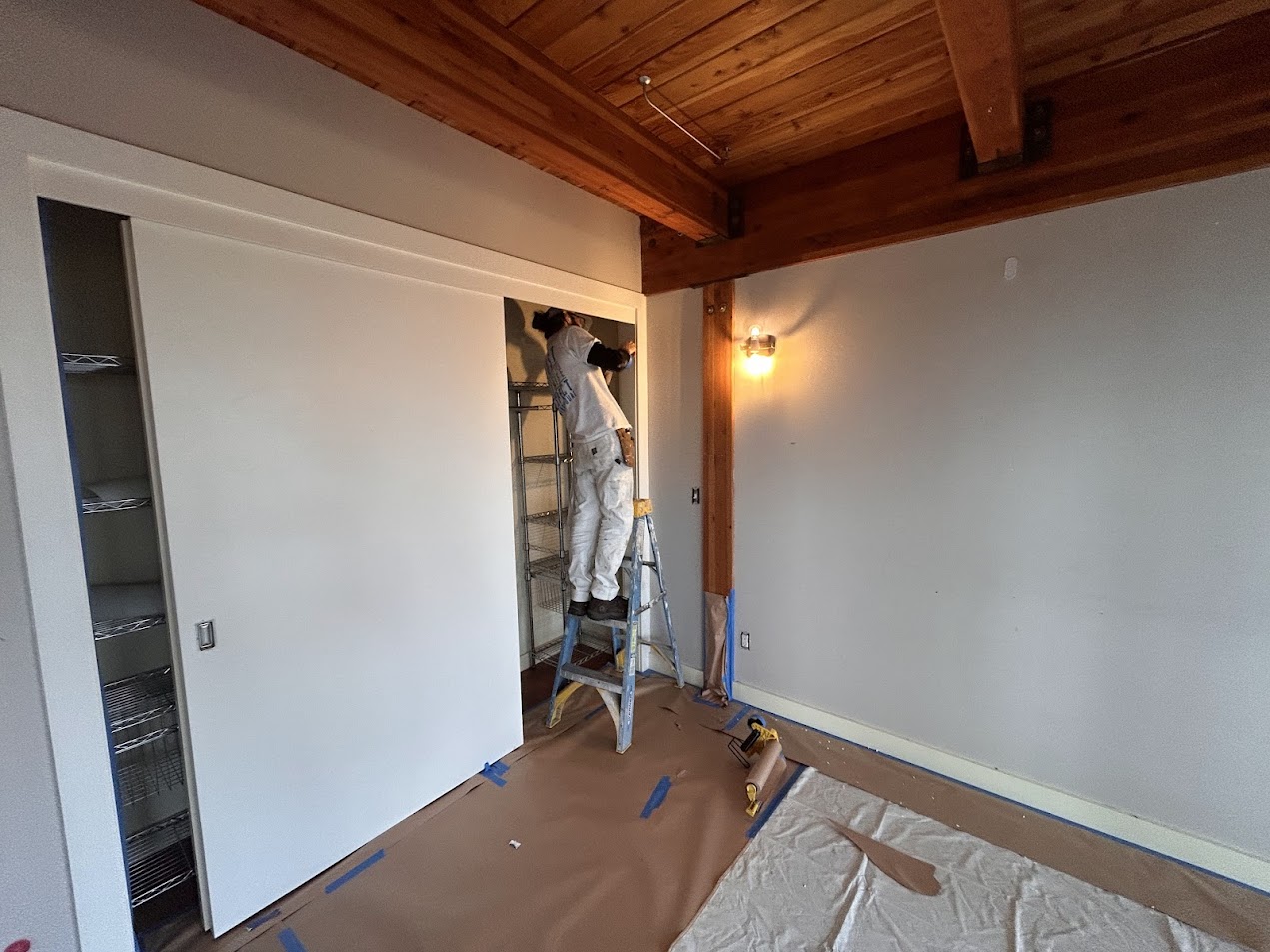
We’re seeing homeowners adjusting their budgets, project sizes, and expectations because of higher painting costs. They are willing to make compromises in all of these areas in order to move forward. This is where we’ve really focused our energy to win projects. Engineering a scope of work that is perfectly tailored to the client’s needs has never been more important.
A few examples, and there are many:
- Instead of painting all the trim or every wall, we often custom-match colors and sheens to existing paint, allowing us to do touch-ups instead of full repaints.
- More one-coat color matches instead of two- or three-coat color changes.
- Painting companies that offer options broken down by room, surface, prep level, and paint quality will excel in times like this.
Our Prediction for 2026
Do we expect prices for house painting to go back down, or do we think they will stay higher through 2026? Historically, in our 25 years in business, I have never seen prices drop. In this case, what goes up does not go back down. It would be nice to be proven wrong, but it’s highly unlikely.




Want to Save Money Without Compromising Quality?
There’s so much I could say about this, but the biggest thing I’d say is: get ultra clear on what you want and expect. Get detailed with your scope of work, and make sure every company bidding your project is quoting the same expectations. Otherwise you’ll end up with wild swings in cost, and will not be able to decipher why.
To avoid writing a novel here, the best piece of advice I can give is to enter every project with your eyes wide open. The best way to do that is to use our guide to hiring the right painter for you.

2 Responses
Material costs are basically a nightmare wherever you go, but it helps when you find a slightly more consistent place that doesn’t jump all over the grid.
Great vendor partners are critical! It’s surprising how certain sundries and vary from one company to another. I also find that out of nowhere prices can change dramatically, this is why as a company with many different employees making purchases there needs to have a process in place to catch this when it happens. A great example is recently we had a paint that we had not bought in a couple of years more than double in price since last purchase (from less than $40 to over $80). When we questioned how this could be it it was determined a mistake. Cost creep is difficult to catch if it’s not being measured / watched.