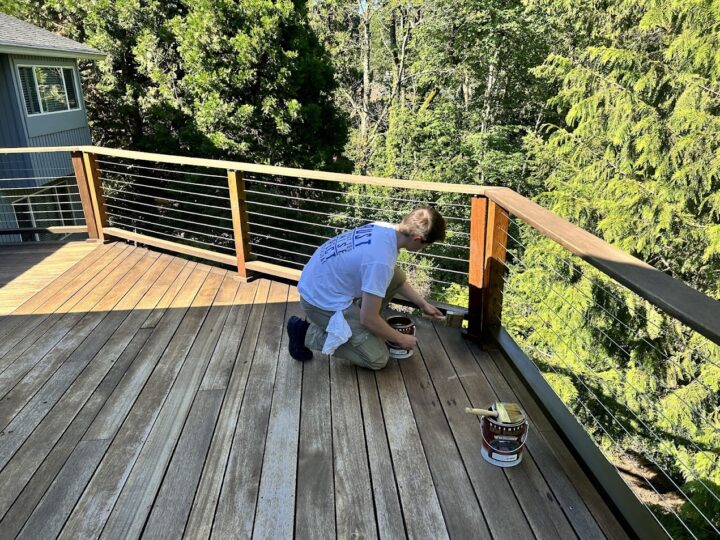
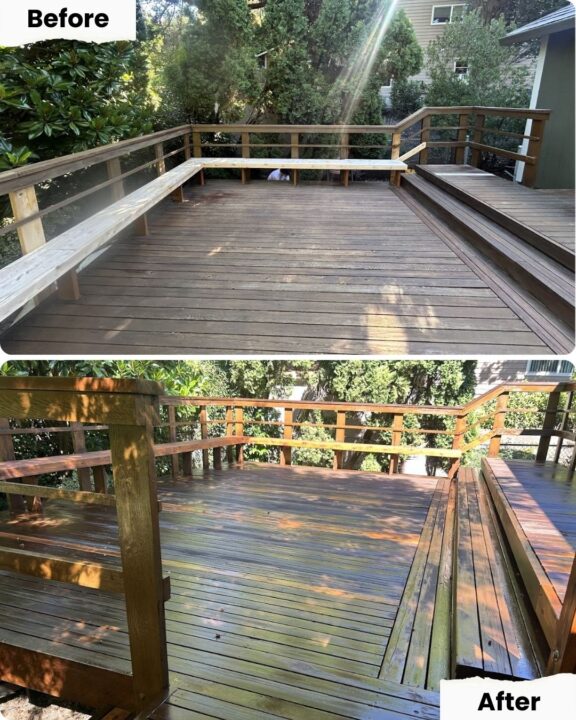
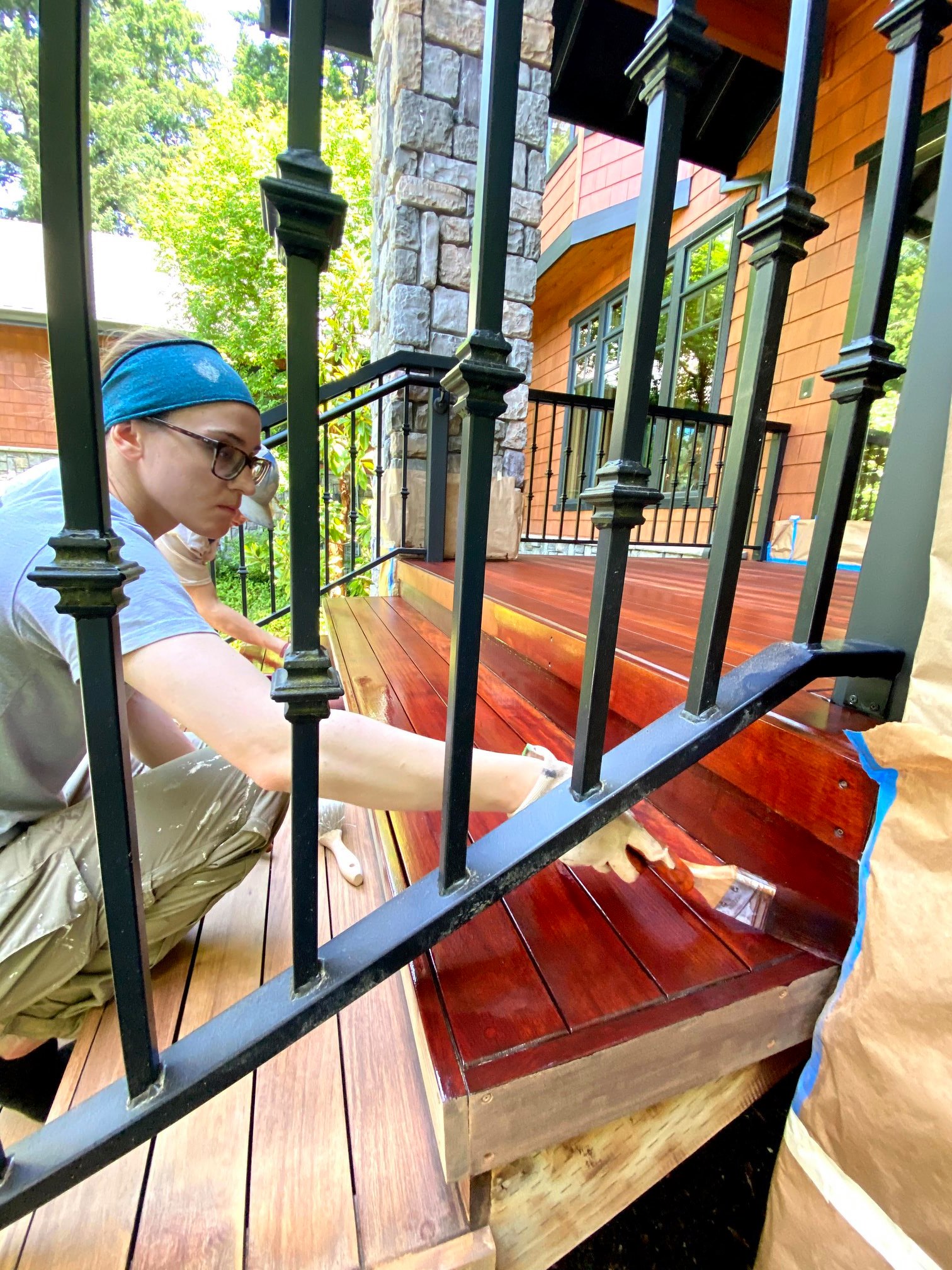
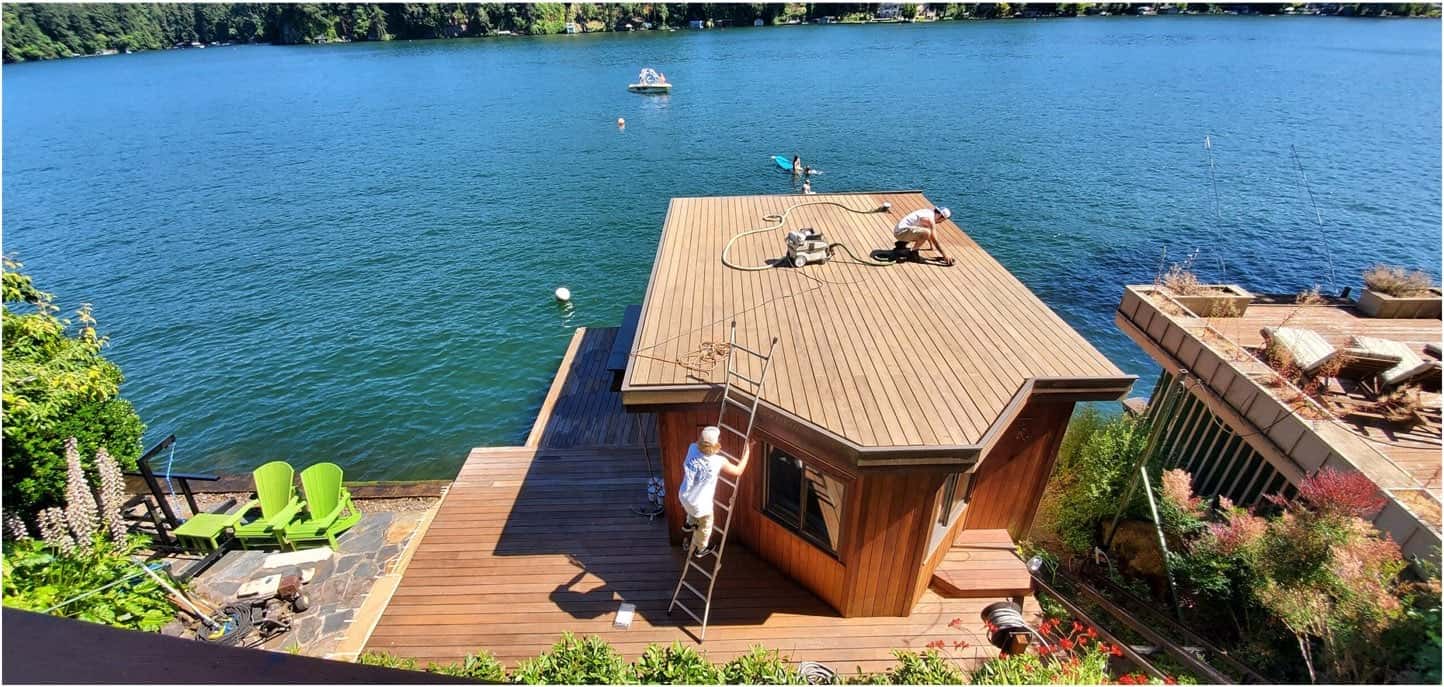
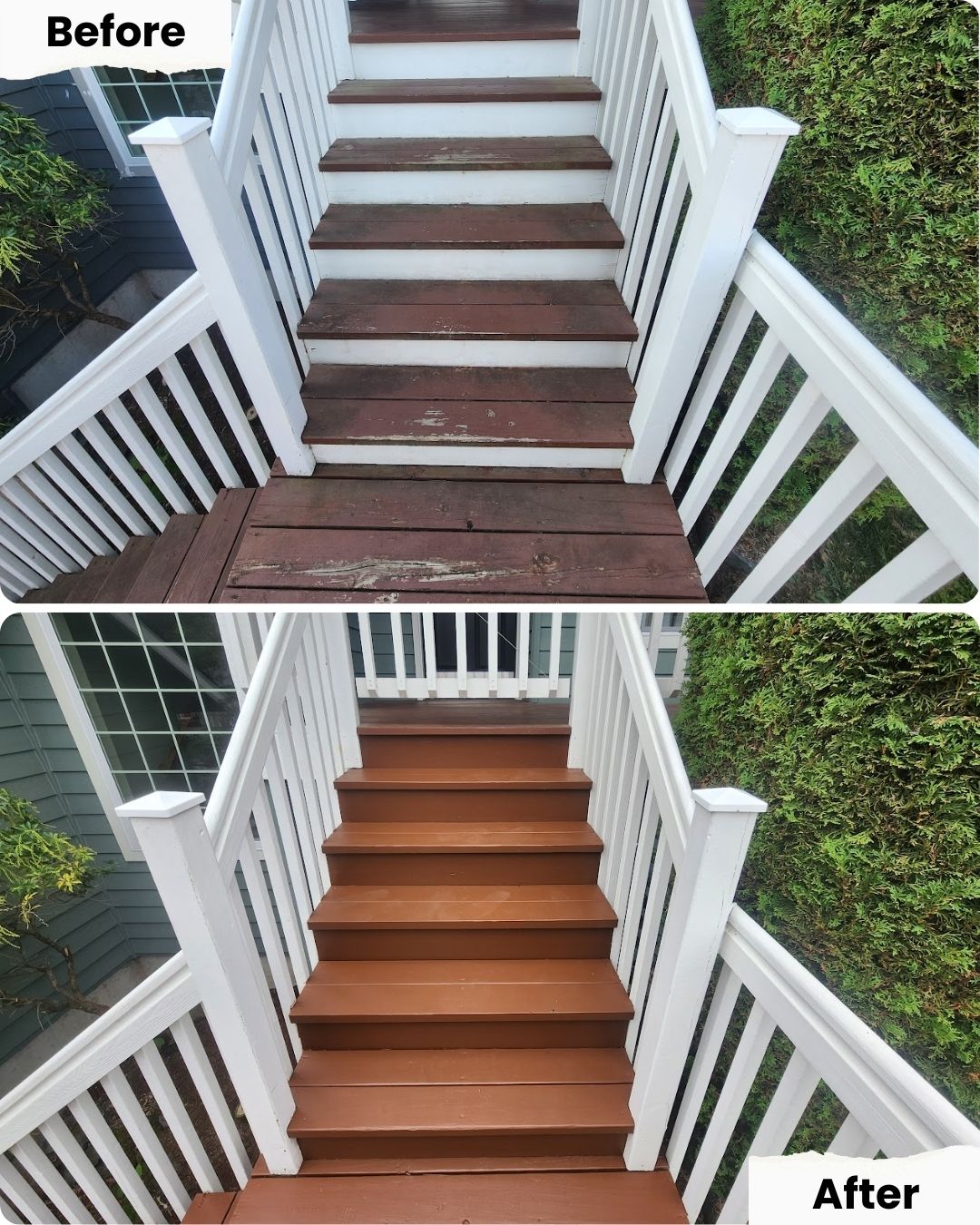
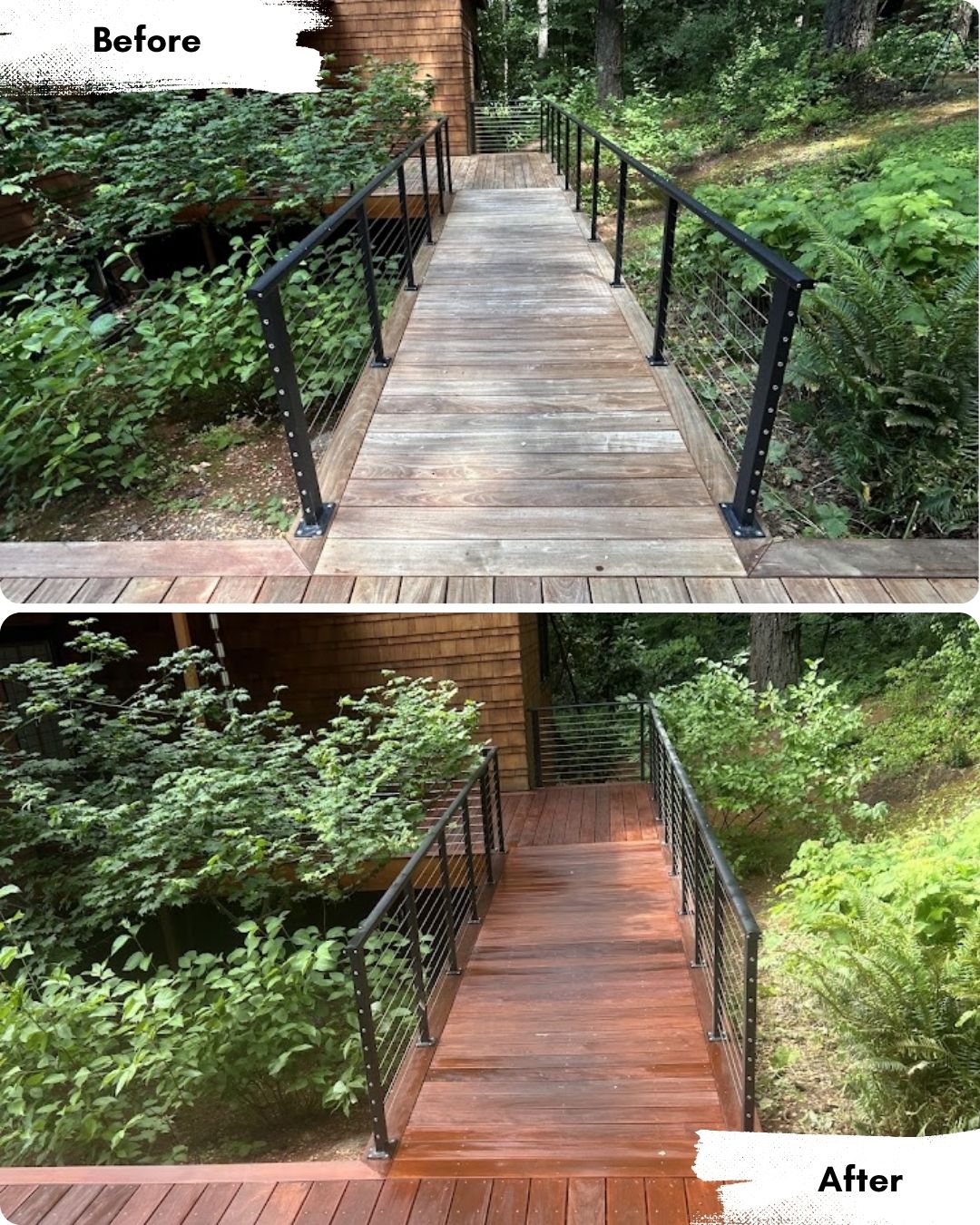
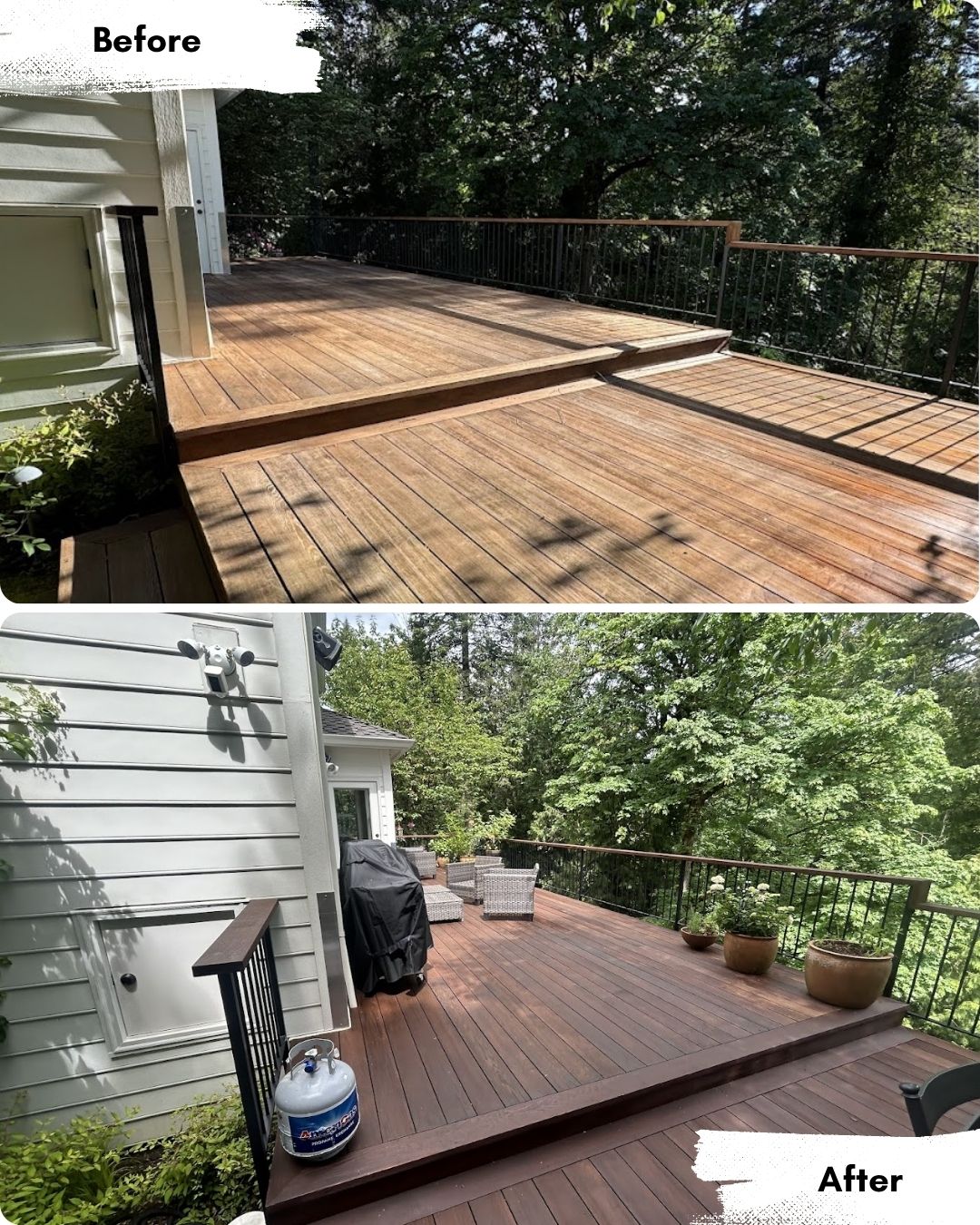
One of the first signs is simple: your deck doesn’t look like it used to.
Sun exposure breaks down stain pigments over time, especially on horizontal surfaces that get direct UV rays. If your deck boards look dull, washed out, or noticeably lighter in high-traffic areas, the protective coating is wearing thin.
Fading is usually the first indicator that protection is failing.
2. Water No Longer Beads on the Surface
A properly sealed deck should repel water. After a rainstorm, you should see water beading up rather than soaking into the wood.
If water quickly darkens the boards instead of sitting on top, the protective barrier has broken down. When wood absorbs moisture repeatedly, it can swell, crack, cup, and eventually rot.
A simple hose test can tell you a lot if it’s not obvious with the rain.
3. The Wood Feels Rough or Splintered
As stain and sealer wear off, the wood fibers are left exposed to the elements. This causes raised grain, rough texture, and splintering, especially on handrails and high-traffic areas.
If your deck no longer feels smooth under bare feet, it’s likely time for sanding and refinishing before the damage deepens.
4. Cracking, Checking, or Peeling
Small cracks (called checking) happen naturally as wood expands and contracts. But when those cracks become more pronounced, or when stain begins peeling or flaking, it’s a clear sign the finish has failed.
Peeling stain doesn’t just look bad. It allows inconsistent moisture penetration, which accelerates deterioration.
5. Mold, Mildew, or Dark Staining
Black or green patches on your deck may indicate mold or mildew growth, especially in shaded or damp areas.
While some surface mildew can be cleaned, persistent staining often means the wood is holding moisture because it’s no longer sealed properly. Refinishing restores protection and helps prevent recurring growth.
6. Graying Wood
Unprotected wood naturally turns gray as UV rays break down lignin in the surface fibers. Some homeowners like the weathered look, but it’s usually a sign that the wood has been exposed for too long without protection.
If left untreated, that surface degradation continues deeper into the boards.
7. It’s Been 2-4 Years Since the Last Refinish
Even if your deck looks “mostly fine,” time alone may justify maintenance.
In our climate, most deck stains last:
- 1-3 years on horizontal surfaces
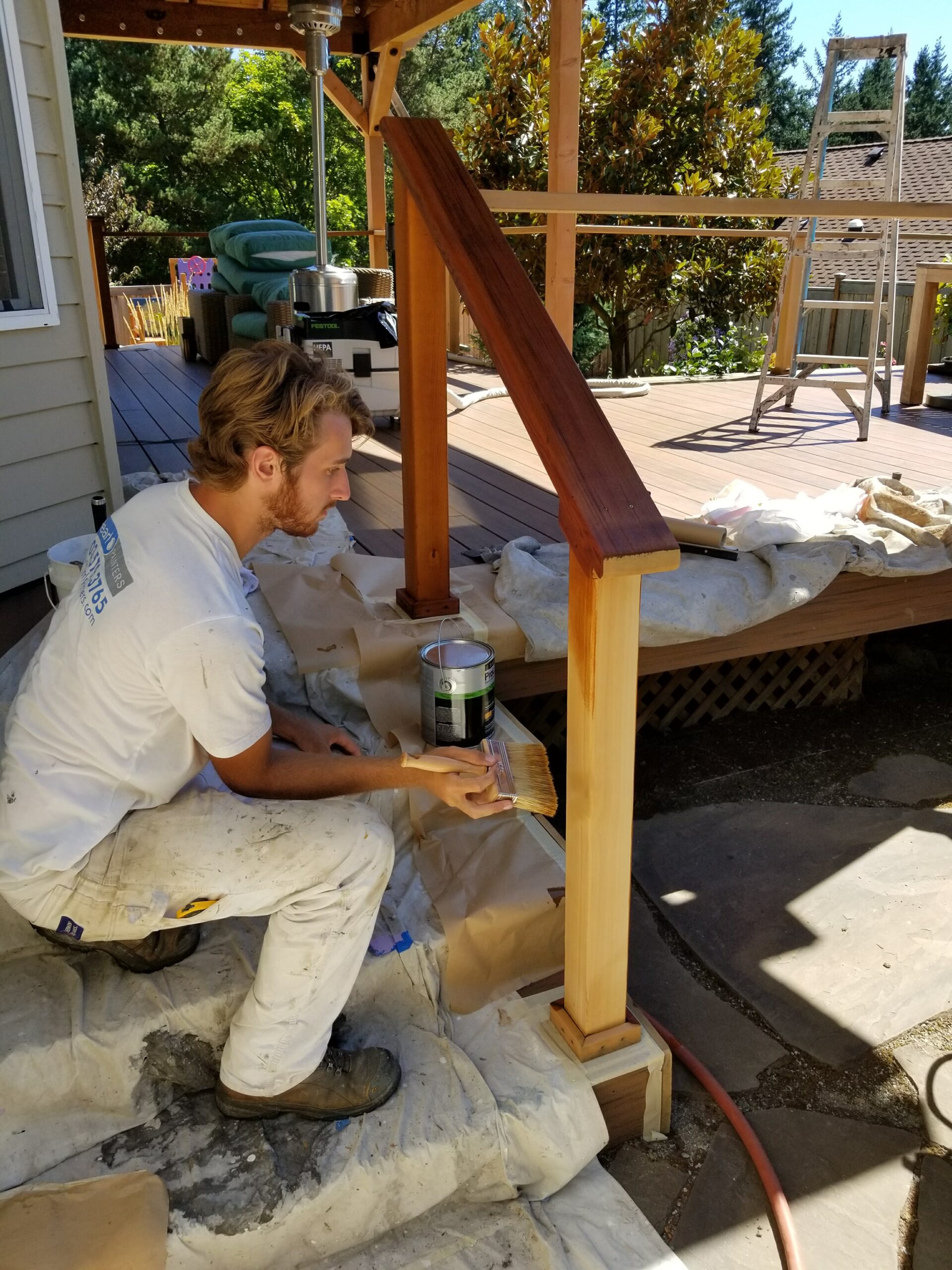
- 3-5 years on vertical surfaces like railings
Waiting until visible damage appears often means more prep work (and higher cost) than staying on a proactive schedule.
Why Timing Matters
When decks are maintained regularly:
- Prep is lighter
- Stain penetrates better
- Boards last longer
- Overall cost stays lower
When decks are neglected:
- Sanding becomes more aggressive
- Boards may need replacement
- Fasteners loosen
- Structural damage becomes possible
What Proper Deck Refinishing Should Include
A quality deck refinishing process should involve:
- Thorough cleaning to remove dirt, mildew, and contaminants
- Proper drying time
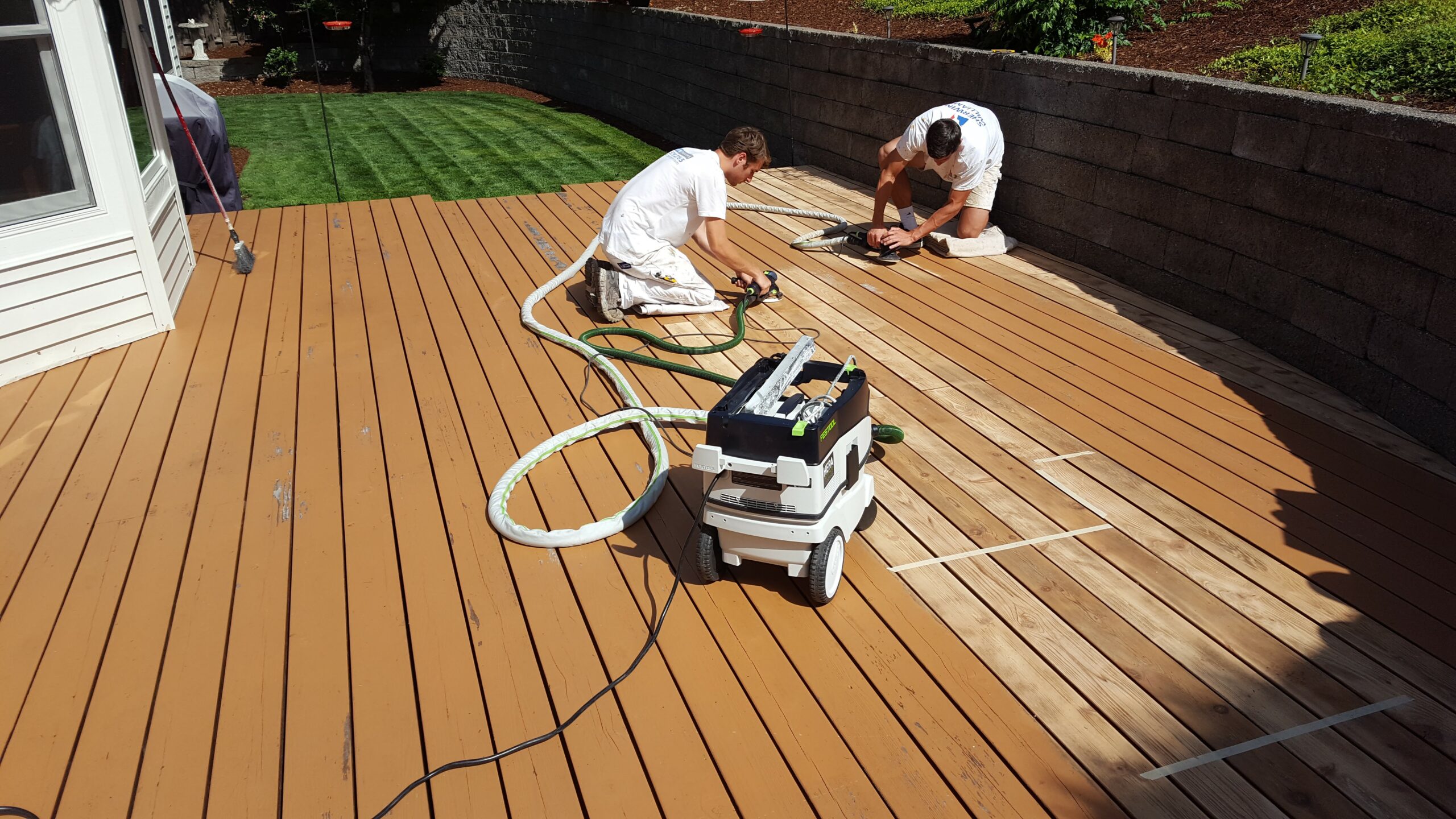
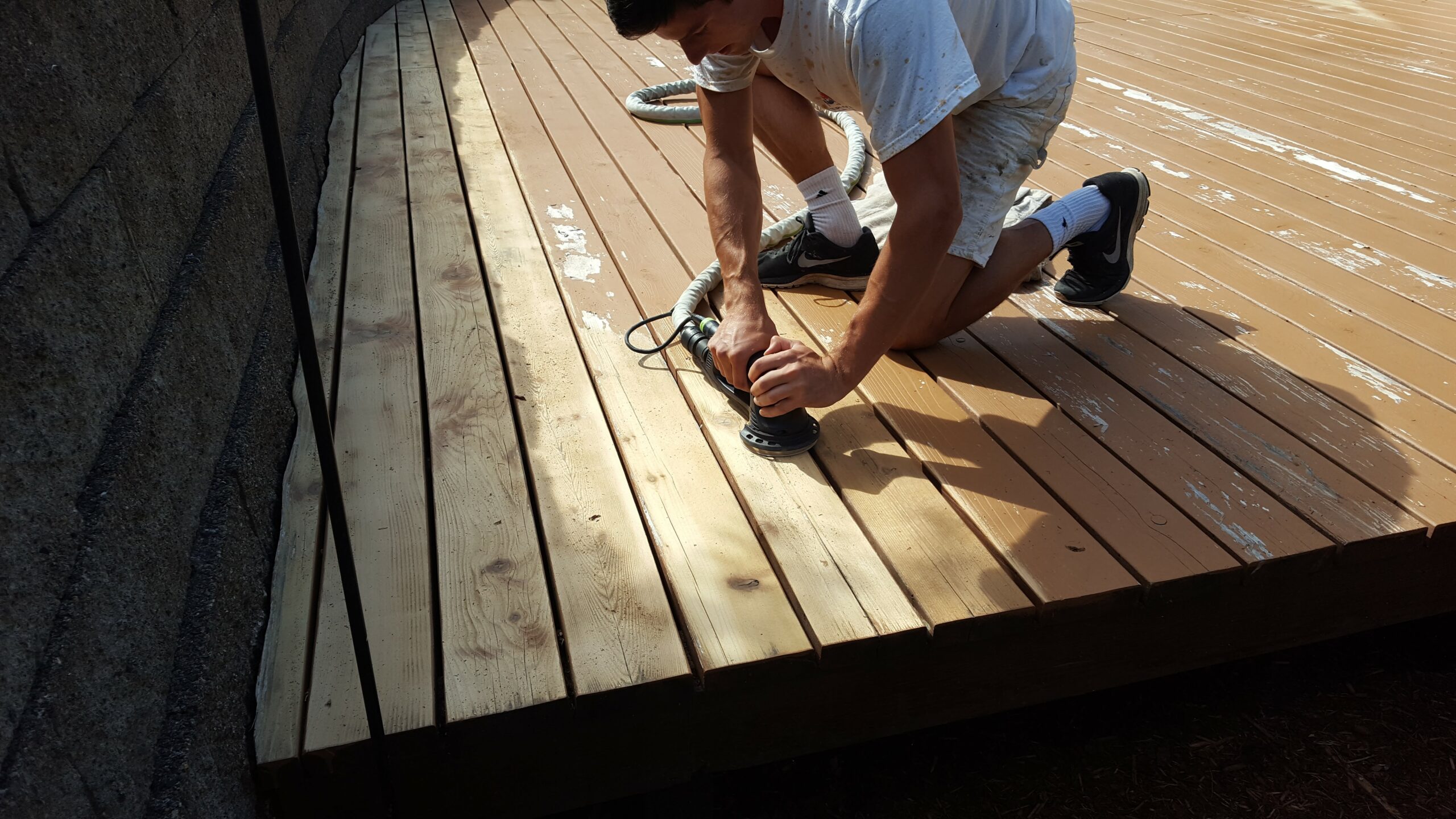
- Sanding (when needed) to smooth fibers and remove failing stain
- Addressing minor repairs
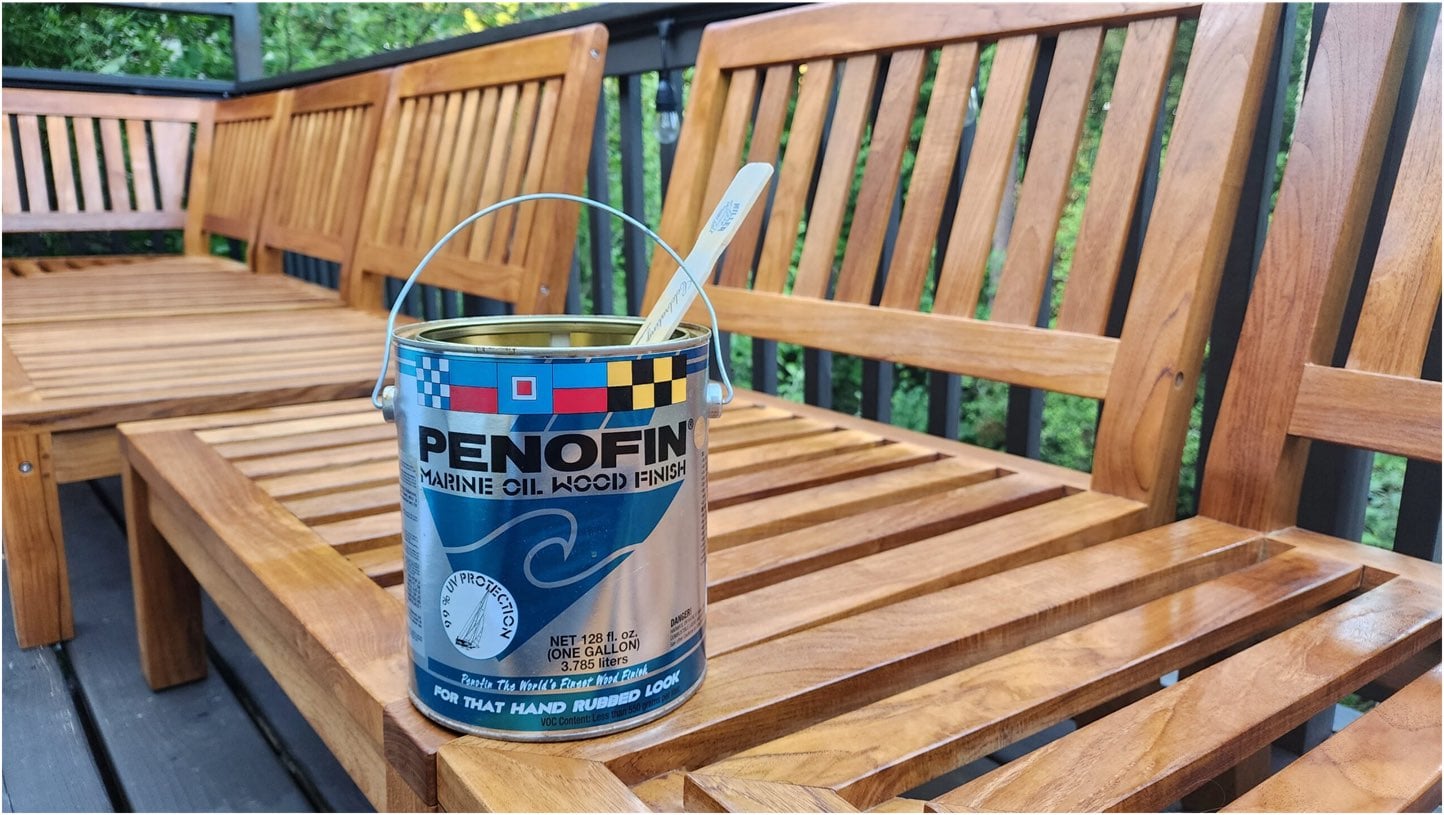
- Applying a high-quality penetrating stain designed for your deck’s exposure
Shortcuts, especially skipping prep, are the main reason deck finishes fail prematurely.
If your deck is faded, absorbing water, rough to the touch, or showing signs of wear, it’s likely time to refinish.
The earlier you act, the easier (and more affordable) the process tends to be.