Brick has a timeless appeal. Whether it’s a fireplace in your living room, a chimney rising above your roofline, or a brick façade anchoring the front of your home, brick brings texture, character, and permanence. But as styles change and brick ages, many homeowners start asking the same question: Should we paint it?
The short answer: painting brick can be a great option, but only when it’s done intentionally and correctly. Brick is not the same as drywall or wood, and treating it like a standard paint surface can lead to problems down the road.
Understanding Brick as a Surface
Brick is porous by nature. It absorbs moisture, releases moisture, and needs to “breathe.” That’s why preparation and product choice matter so much. Before any coating is applied, the brick must be evaluated for moisture issues, structural damage, or failing mortar. Cracks, efflorescence (that white, powdery residue), or water intrusion need to be addressed first. Skipping this step is one of the fastest ways to end up with peeling paint or trapped moisture.
This is especially important for exterior brick like chimneys, foundations, and home fronts. But interior brick fireplaces and accent walls also need proper assessment.
Painting Brick: A Solid, Modern Look
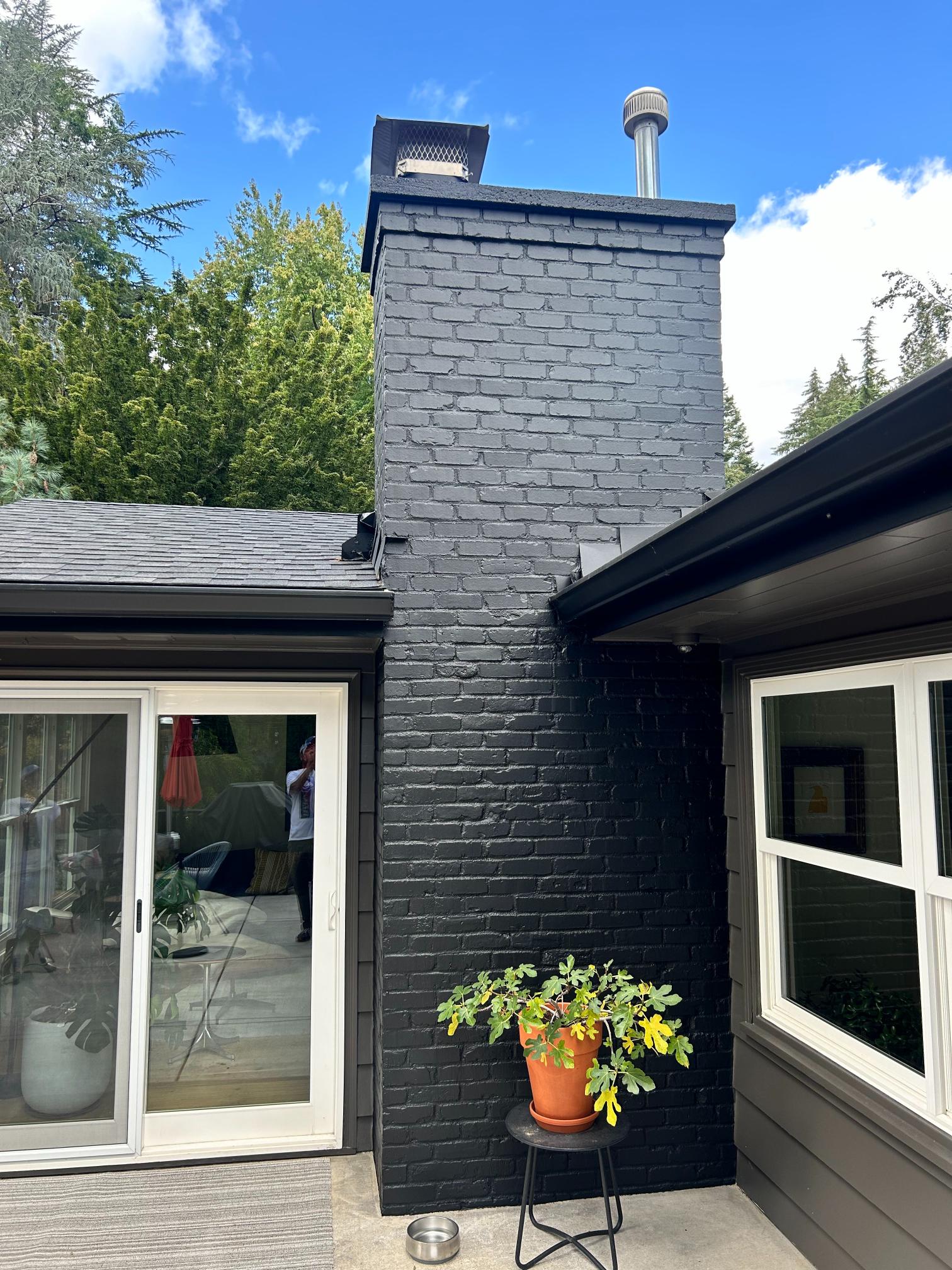
Painting brick creates a clean, uniform finish and can dramatically update a space. Interior brick fireplaces are one of the most common brick painting projects we tackle. A soft white, warm neutral, or deep charcoal can turn a dated brick hearth into a focal point that fits modern or transitional interiors.
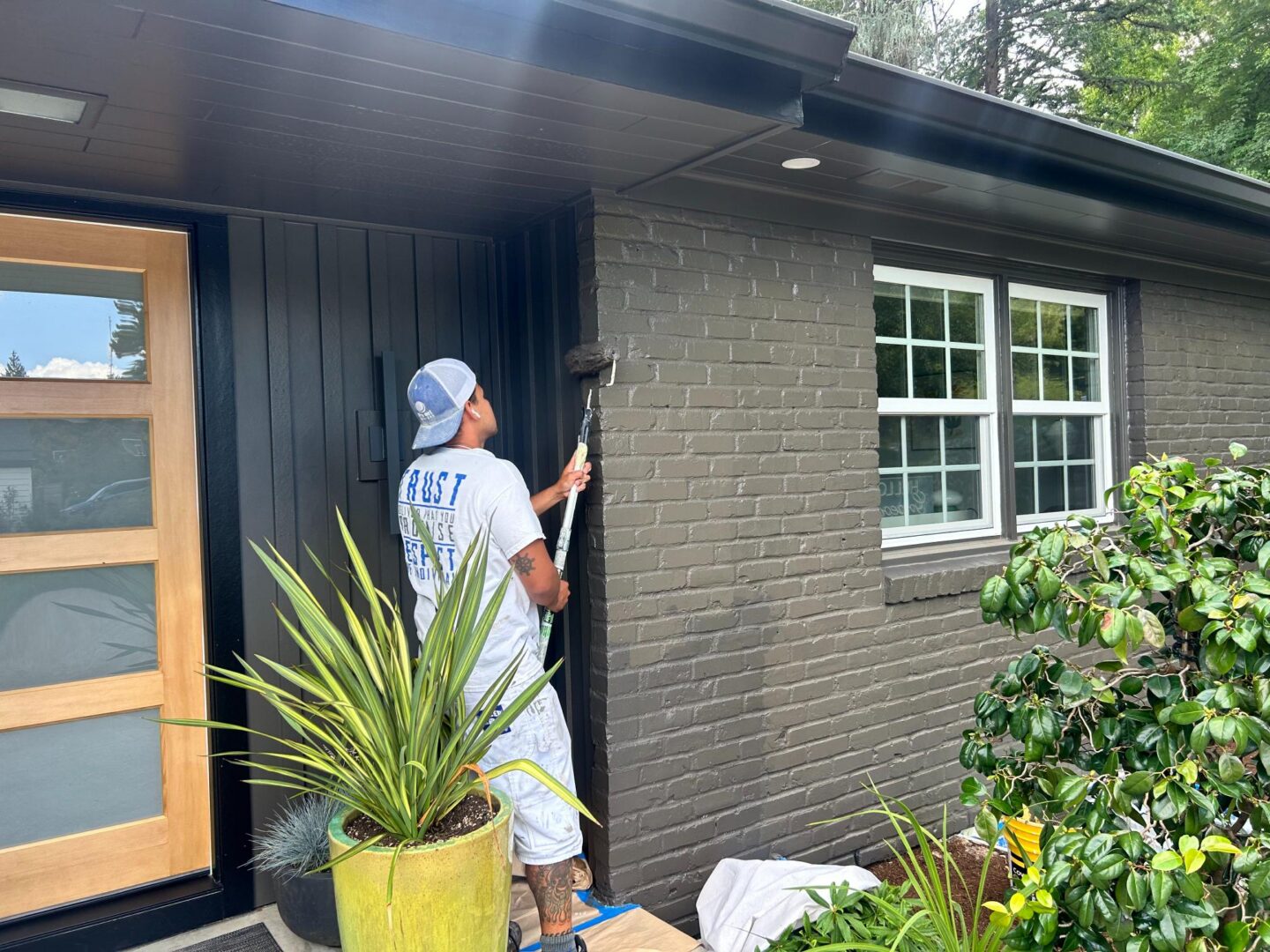
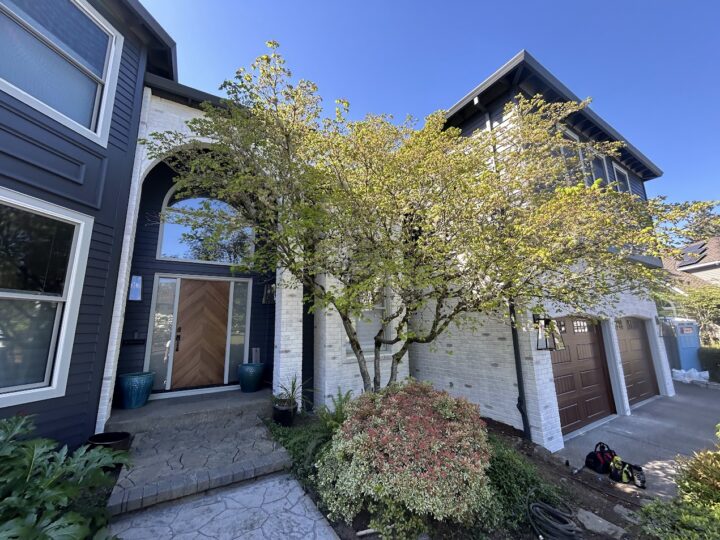
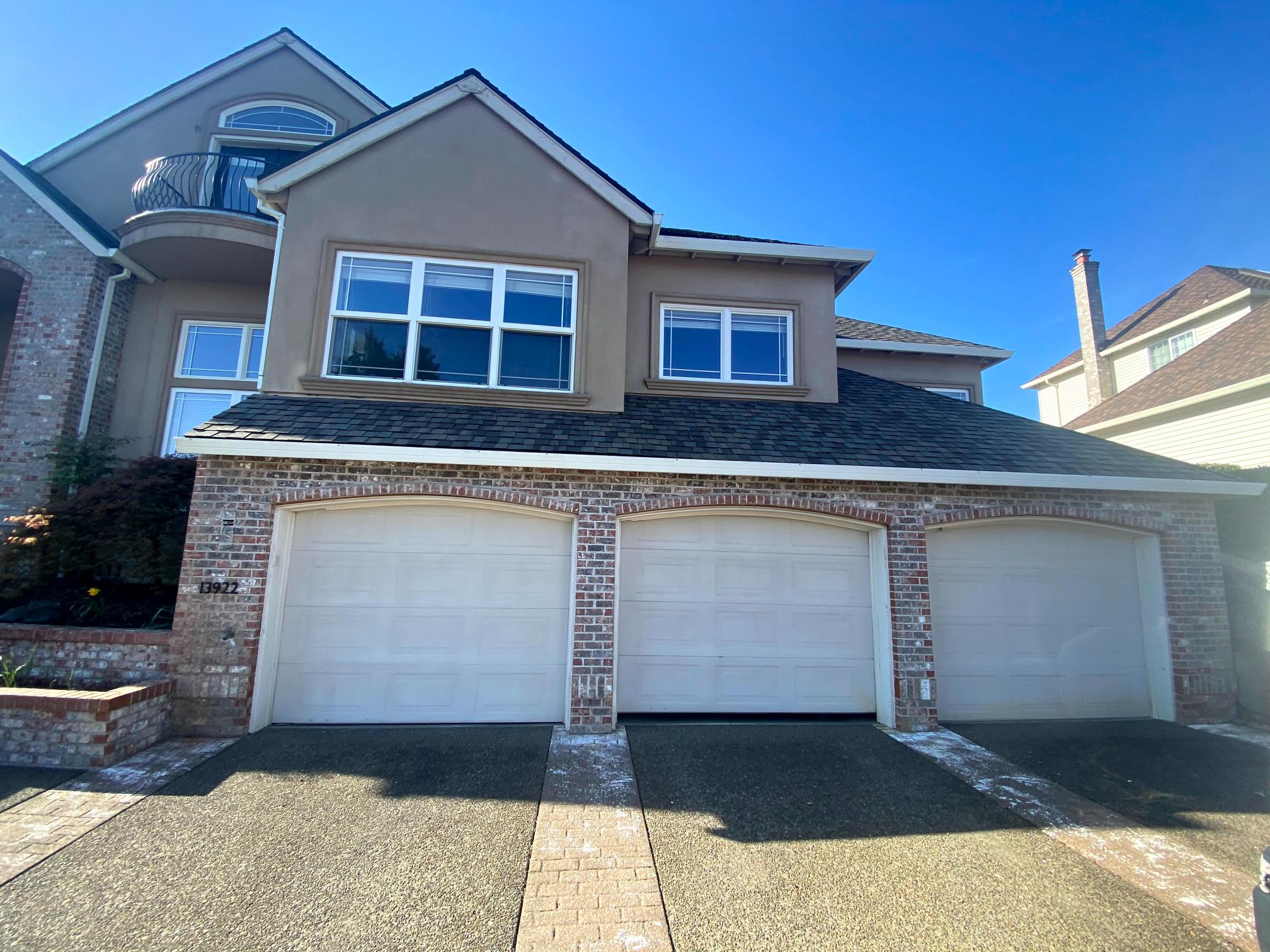
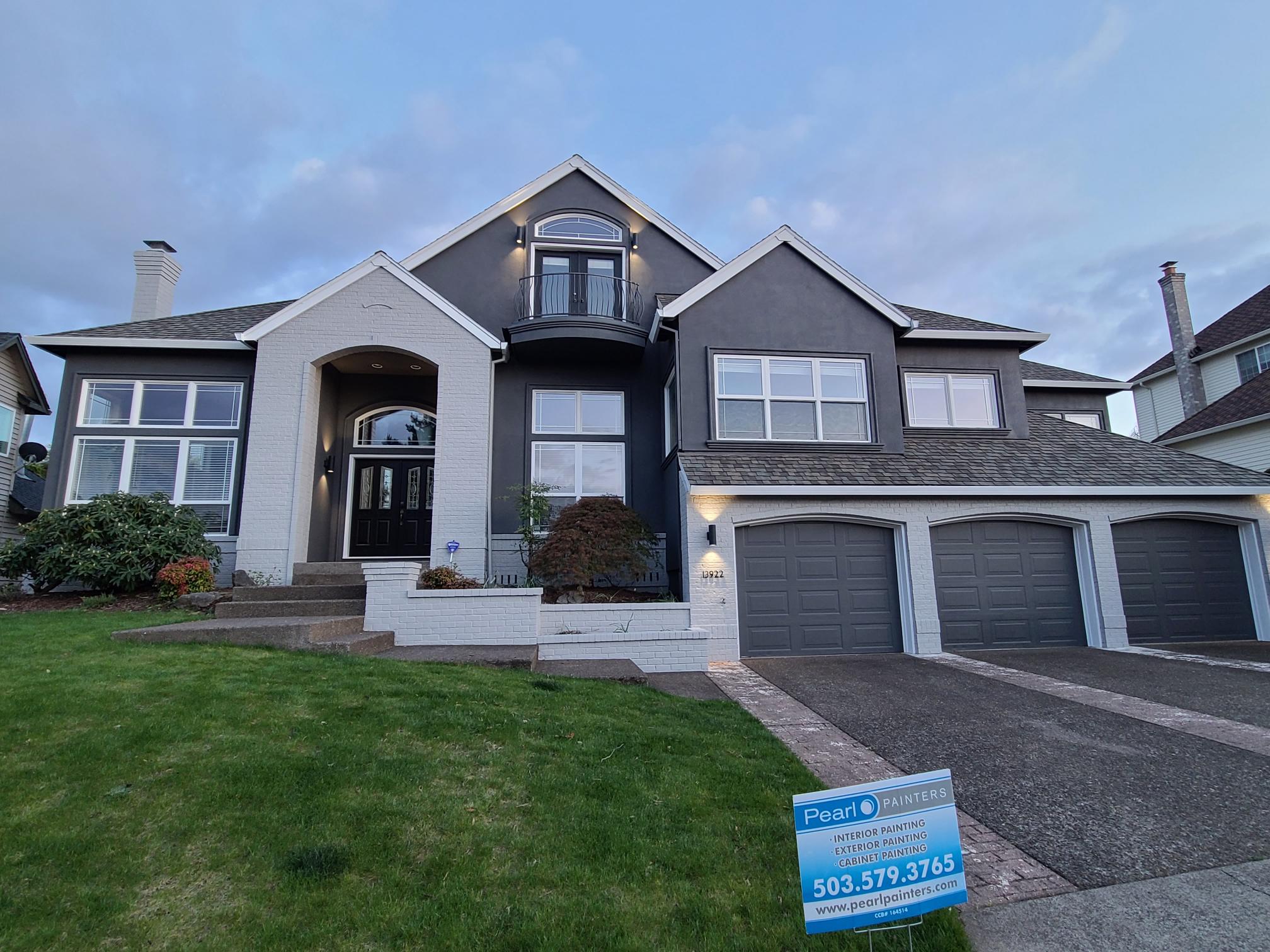
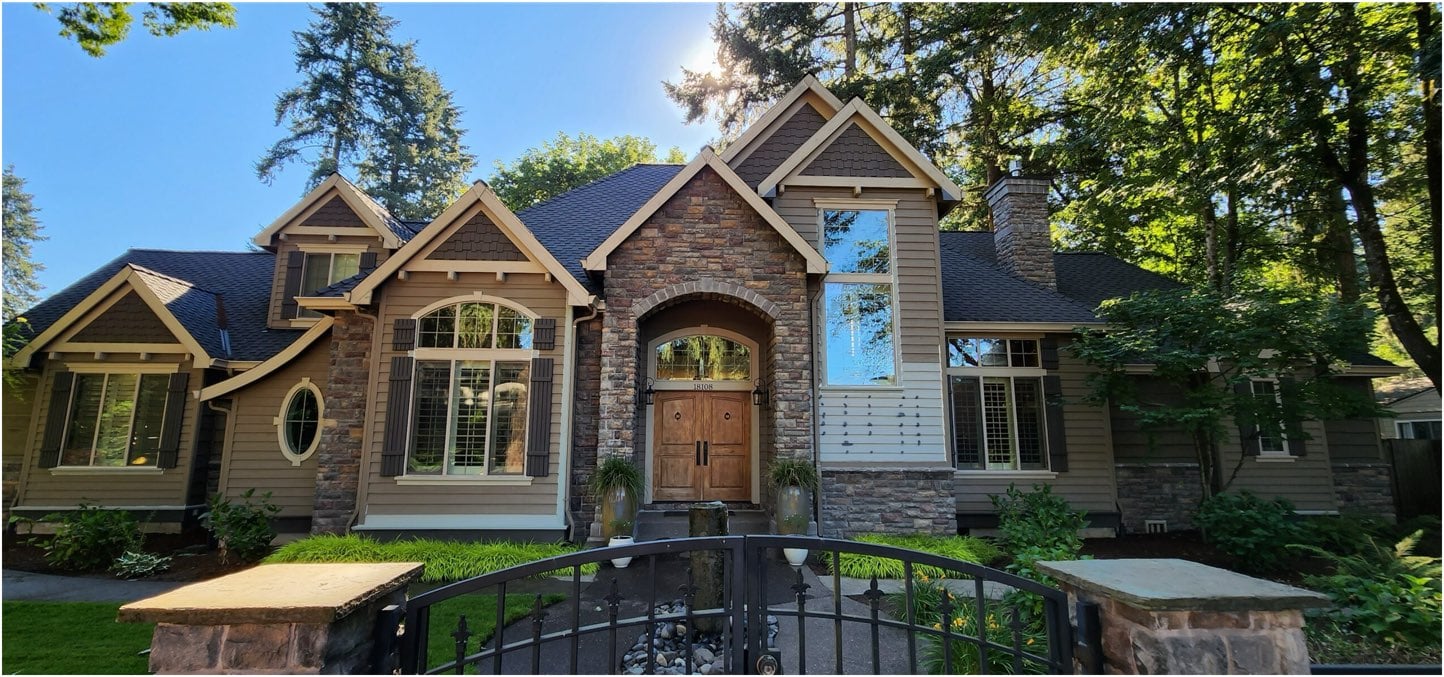
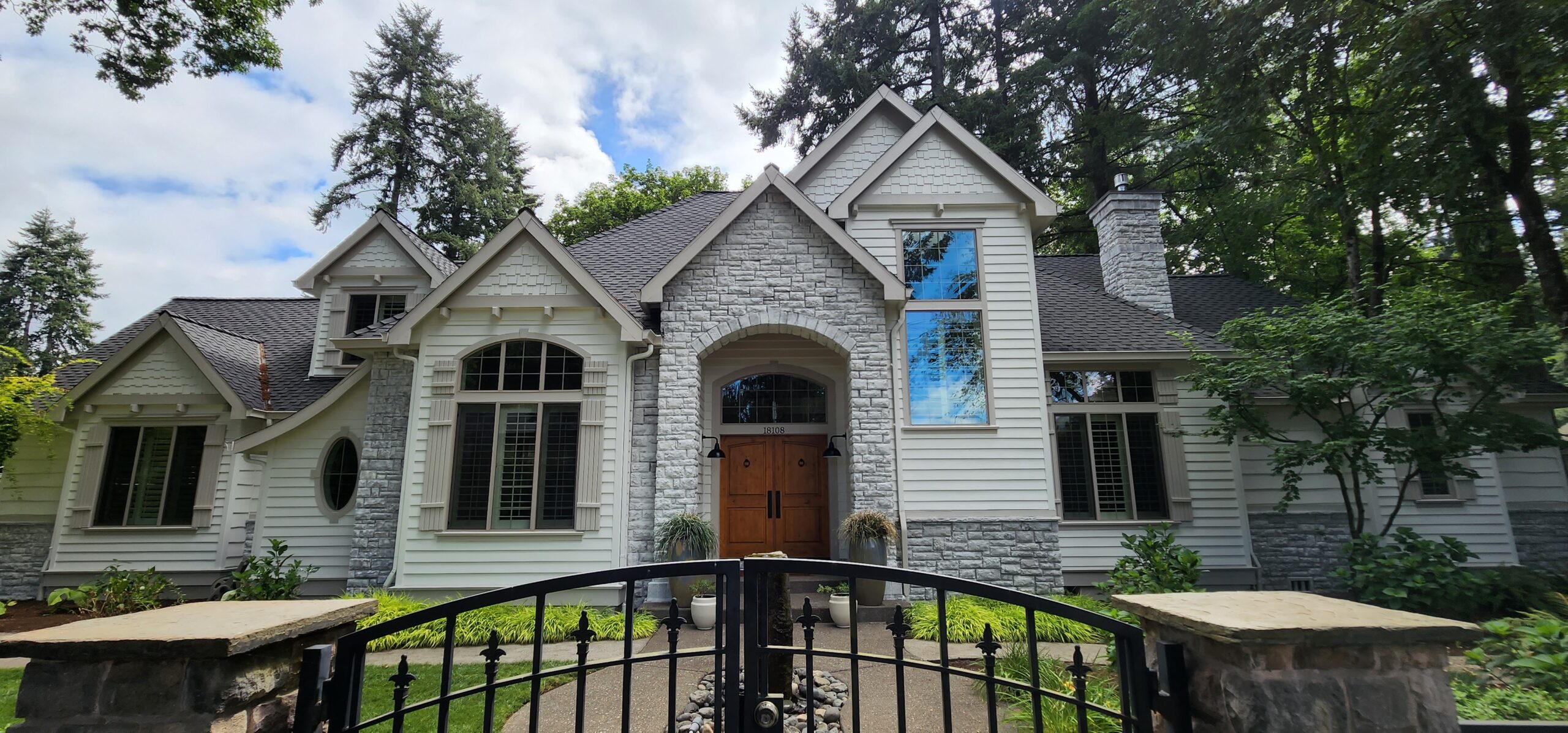
On exteriors, painted brick can brighten a home, soften heavy masonry, or tie older brickwork into newer siding and trim colors. When done correctly, a painted brick exterior can last for many years.
The key is using breathable masonry paint designed specifically for brick. These coatings allow moisture vapor to escape, reducing the risk of blistering or failure. Proper cleaning, priming (when required), and controlled application are essential.
Brick Painting vs. Limewashing
While painted brick creates a more solid, uniform appearance, limewashing offers a softer, more natural look where some of the brick texture and variation still shows through. Painting is often the better choice for homeowners wanting a bold color change, modern finish, or long-term consistency across brick surfaces. Limewashing tends to create a more aged, organic appearance with less uniformity. Both options require proper prep and breathable products, but the right choice usually comes down to the overall style and character the homeowner wants to achieve.
We’ll be posting soon about limewashing to provide more details about the process, so keep an eye on our Pro Advice page for that piece!
Fireplaces, Chimneys, and Brick Accents
Fireplaces are one of the most popular brick-painting projects in the Portland area. A properly painted fireplace can completely change the feel of a room. However, heat ratings, clearances, and product selection matter. Not all paints are suitable near heat sources, and professional guidance helps ensure safety and longevity.
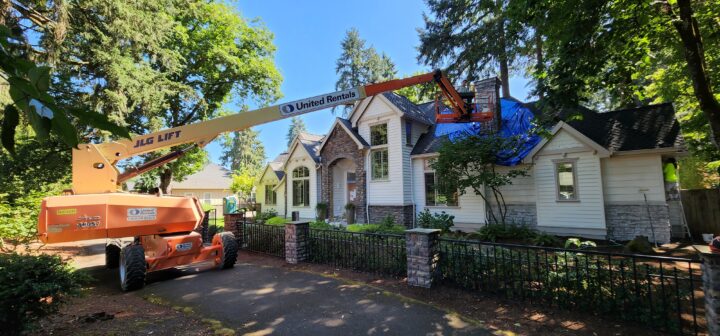
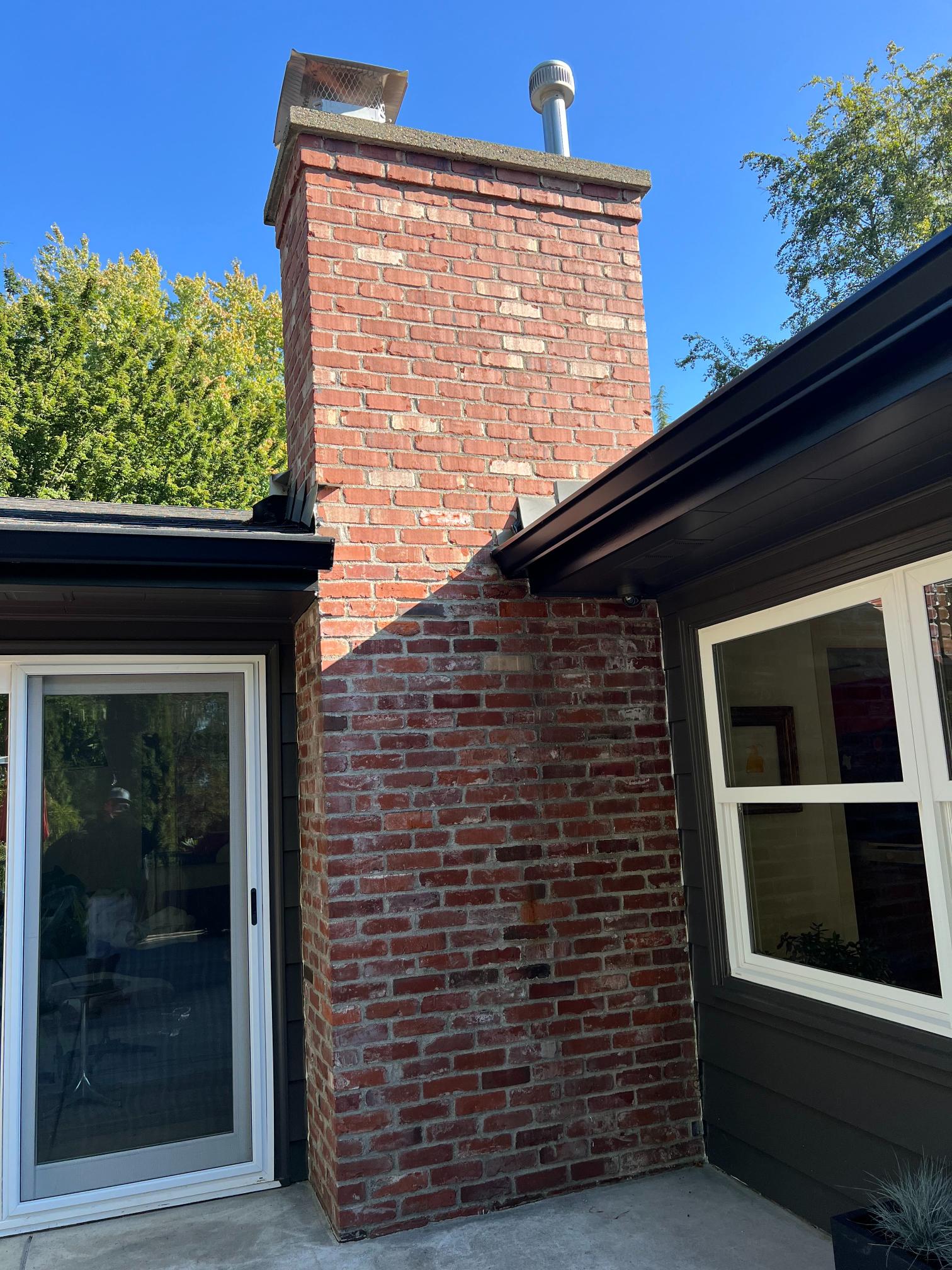
Exterior chimneys and brick accents also require special care. These areas are exposed to more moisture and temperature fluctuation, which makes correct prep and breathable coatings even more important.
Masonry Primer Recommendations
Brick, mortar, and concrete are naturally highly alkaline materials, especially when they are new or have never been coated. Fresh masonry can have a pH between 11 and 13, while most paints and standard primers are designed to perform best on surfaces much closer to neutral.
That’s why using a masonry primer specifically designed for high-pH surfaces is so important. These primers help prevent alkali burn, a chemical reaction that can damage ordinary coatings and lead to discoloration, softening, or premature failure. They also improve adhesion, help manage efflorescence-related issues, and create a more stable, uniform surface for paint. Because masonry is porous, a quality primer can penetrate and seal the surface while still allowing moisture vapor to escape, helping extend the life of the entire paint system.
The need for a high-pH masonry primer is greatest on new brick or mortar, unpainted masonry, surfaces showing signs of efflorescence, and materials such as stucco, concrete block, and poured concrete. Skipping the proper primer can result in peeling, blistering, staining, loss of adhesion, and a significantly shorter lifespan for the coating system. Older brick is often less alkaline than newly installed masonry, so in some cases a high-quality 100% acrylic masonry coating may be applied without a dedicated alkali-resistant primer if the manufacturer allows it. However, when there is any uncertainty about the condition of the substrate, or when maximum durability is the goal, a masonry primer is inexpensive insurance. In many ways, the primer isn’t just helping the paint stick; it’s protecting the entire coating system from the chemistry of the masonry itself.
When Painting Brick May Not Be the Right Choice
Not all brick should be painted. Brick in poor condition, brick that is meant to remain exposed for moisture control, or historically significant masonry may be better left uncoated or treated with conservation-friendly methods. Once brick is painted, returning it to its original state is extremely difficult.
That’s why a thoughtful consultation matters. Sometimes the best recommendation is not painting at all.
Painting brick can be a beautiful, lasting upgrade when it’s done with the right materials, preparation, and expectations. Whether you’re considering a refreshed fireplace, a modernized exterior, or a softened brick accent wall, the process should start with understanding the surface, not just the color.
Brick is unforgiving when treated incorrectly, but incredibly rewarding when handled with care. If you’re considering painting brick, the goal isn’t just to make it look good on day one, but to make sure it looks good for years to come.
Upgrade your brickwork
If you're ready for a bold new look for your exterior, fireplace, or a chimney spruce-up, get in touch with the bricks-perts at Pearl Painters for a professional estimate.