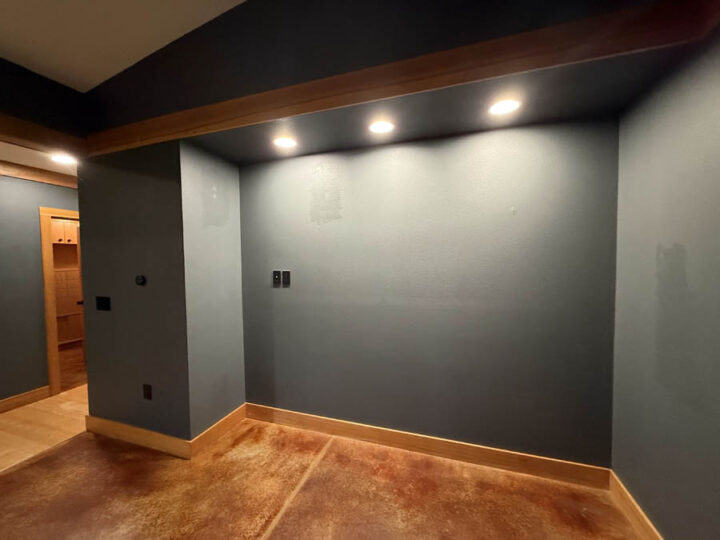
Professional painting looks simple from the outside. A few ladders, some brushes, a truck, and of course the paint. Unfortunately, that perceived simplicity is exactly why so many homeowners end up hiring the wrong painter.
The reality is that most painting mistakes don’t show up on day one. In fact, many of them look perfectly acceptable when the crew packs up and leaves. The problems often appear months later when paint starts peeling, caulking begins failing, wood is exposed to moisture, or cabinets start chipping.
By then, the painter may be long gone.
Before you hire a painting contractor, we strongly recommend reviewing our Key Questions to Ask Painters Before Hiring Them. That guide explains exactly how to identify qualified contractors and avoid the problems outlined below. This includes:
- Verifying active license, bond, insurance, and workers comp
- Reading reviews ahead of time
- Understanding the quote process
- A ton of questions to ask, no matter what kind of painting project your home needs
The Cheapest Bid Usually Comes With a Cost
When a contractor submits a price that is dramatically lower than everyone else’s, something is almost always being removed from the process.
Surface Preparation Gets Reduced
Preparation is the most expensive and time-consuming part of a painting project. It’s also the easiest thing for an inexperienced contractor to skip.
This can include:
- Inadequate scraping of failing paint
- Little or no sanding
- Minimal caulking
- Poor patching and repairs
- Skipping primers
- Painting over dirty or glossy surfaces
A freshly painted home can look great on the day the project finishes. Six months later is when inadequate preparation often reveals itself.
Peeling paint, cracking caulk, flashing repairs, visible patches, and premature failure are usually symptoms of poor prep, not bad luck.
Want to know how to determine whether a painter is planning adequate preparation? Read our Key Questions to Ask Painters guide.
You May Get Fewer Coats Than You Think
Most homeowners assume two coats are being applied but that isn’t always the case. A contractor trying to save labor may stretch paint too thin, attempt coverage in a single coat, or rely on touch-ups instead of full applications.
The result can be:
- Uneven color
- Visible roller marks
- Poor durability
- Reduced washability
- Early fading
Many coverage problems don’t become obvious until lighting changes or the paint fully cures.
Low-Quality Materials Create Expensive Problems
The wrong paint on the wrong surface can create failures that are costly to correct.
We regularly see:
- Cabinet paint peeling from doors and drawers
- Trim paint scratching easily
- Exterior paint fading prematurely
- Incompatible products failing to bond
Cabinets are one of the most common examples. Proper cabinet painting requires extensive cleaning, sanding, bonding primers, and specialty coatings. When those steps are skipped, the finish may look beautiful initially but begin chipping shortly afterward.
Repairing failed cabinets is often significantly more expensive than doing them correctly the first time.
Communication Problems Become Project Problems
Many painting complaints have little to do with paint. Instead, they stem from unclear expectations.
Common issues include:
- Certain rooms being skipped
- Repairs not being completed
- Different colors being used than expected
- Surprise charges
- Delays with no communication
- Disagreements about what was promised
If expectations aren’t clearly documented before the project starts, disagreements become difficult to resolve later. A professional painting company should be able to clearly explain exactly what is included and what is not.
The Crew Matters More Than the Company Name
One of the biggest surprises for homeowners is realizing that the salesperson who earned their trust may not be the person doing the work.
The actual outcome of your project depends heavily on the crew that shows up each day.
An experienced crew leader can solve problems before they become issues.
An inexperienced crew can create expensive mistakes, including:
- Overspray on vehicles or landscaping
- Paint on floors and furniture
- Damaged hardware
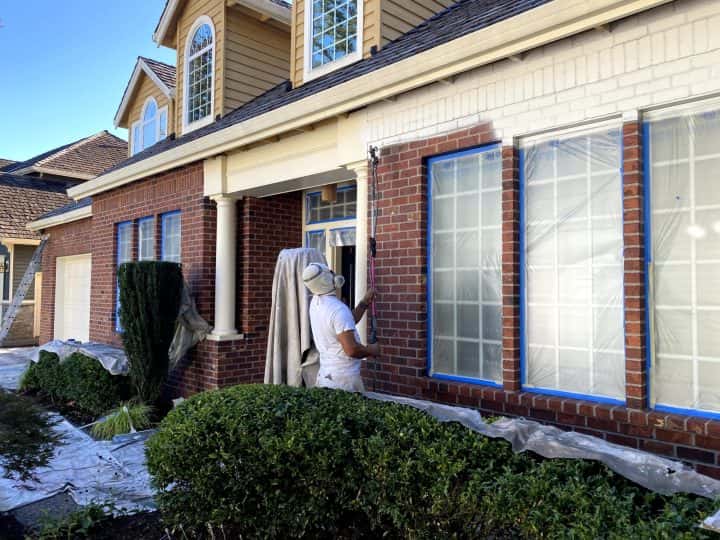
- Poor masking
- Sloppy cut lines
- Inconsistent finishes
That’s why it’s important to understand who will actually be performing the work on your home.
Exterior Failures Can Become Structural Problems
Interior paint failures are frustrating, but exterior paint failures can become expensive.
Paint isn’t just cosmetic, but an integral part of your home’s protective system.
When preparation is skipped or coatings fail prematurely, moisture can begin working its way into exposed materials.
Over time, this can contribute to:
A paint job that saves a few thousand dollars today can sometimes create repair bills that are many times larger later.
Trust Your Instincts
One of the most reliable warning signs isn’t found in a contract but in your own discomfort. If a contractor becomes defensive when asked questions, refuses to explain their process, pressures you into signing quickly, or avoids providing clear answers, pay attention.
Painting projects require trust. You’re allowing a crew into your home, around your family, and around some of your largest investments. If something feels off during the estimate process, it often gets worse, not better, once the project begins.
How to Avoid These Problems
Most painting disasters are preventable and the good news is that you don’t need to become a painting expert to protect yourself. You simply need to know which questions to ask before hiring a contractor.
That’s exactly why we created our guide:
Inside, you’ll learn:
- How to verify licensing, bonding, insurance, and workers’ compensation
- How to compare bids fairly
- How to evaluate preparation standards
- How to check references properly
- How to identify red flags before signing a contract
The right questions can save you thousands of dollars, countless headaches, and years of frustration. Before hiring any painting contractor, including us, take a few minutes to review the guide. Your future self will thank you.